 · CEO, D. Gira
The future of music with artificial intelligence: one more tool, not a replacement
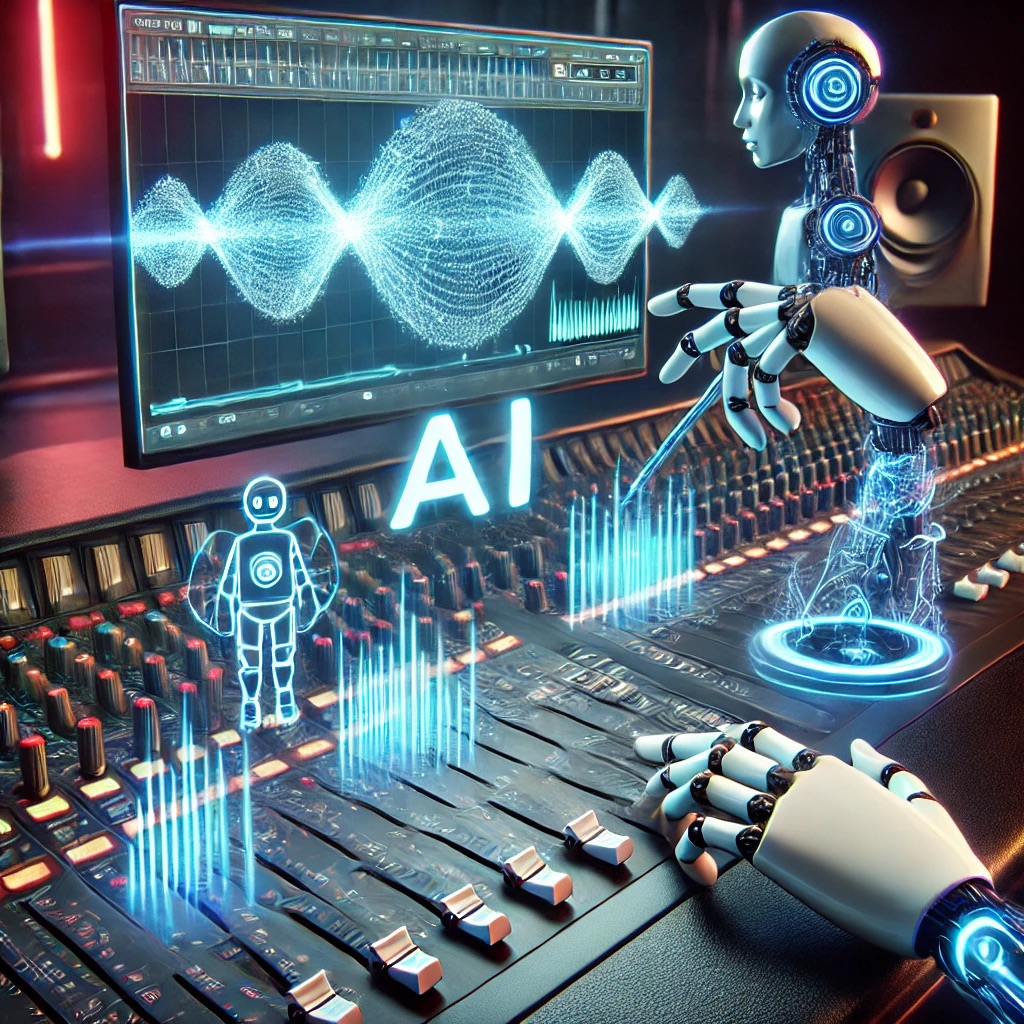
Over the past two years, generative AI has entered the vocabulary of anyone making music, usually followed by the same question: will it replace artists? The honest answer isn't "yes" or "no" — it's in how it actually gets used in a production workflow over the next few years.
What has already changed
Today, AI generates instrumentals, lyrics, even full vocal tracks from a prompt. That's the most visible use case, the one that makes headlines. It's also the most limited one: a song generated entirely from a prompt is, in most cases, a starting point — not a finished product ready to be released under your own name.
The real change isn't replacement
Anyone who's been producing music for years already uses tools that do part of the work for them: a mastering plugin that balances frequencies, Auto-Tune that corrects pitch, a sample library that provides a sound nobody would record from scratch for a single project. None of these tools take away authorship from the person using them — they're means, not authors.
Generative AI is stepping into exactly that role, one piece at a time: not a replacement for the artist, but another tool in the same toolbox. The difference from a traditional plugin is that AI can generate an entire instrumental, a melodic idea, a full arrangement — but the way it gets used stays the same as it's always been: take what's useful, discard the rest, refine it with your own voice, your own instruments, your own decisions.
How the studio will change, in practice
The use case that's taking shape isn't "press a button, get a finished song" — it's closer to how production already works today:
- an AI-generated instrumental as a starting point, then played and reworked by hand
- an AI vocal used as a temporary guide, later replaced by a real voice recorded over the same instrumental
- a melodic idea or lyric generated to get past writer's block, then rewritten and adapted
- separate stems to work on a single instrument without redoing everything else
In every case, AI shortens the time between an idea and a first listenable draft. It doesn't eliminate the refinement work — it just moves it further downstream, where the producer's ear matters most.
What this means for musicians today
Anyone who already knows their way around a DAW, mixing, songwriting, or an instrument loses nothing in this scenario — they gain a faster way to get to a first version worth improving. Anyone without those skills yet gets a way to start working on an idea before mastering everything else.
That's the same reason Music Studio Pro doesn't stop at a finished audio file: every generated project downloads as a real Ableton Live project, with separate stems ready to edit, and the Overlay Recorder lets you record your own real voice over an AI-generated instrumental instead of staying locked into a synthetic one. It's the tool that gets added to production — not the one that replaces it.